Generative AI is revolutionizing the retail sector, enabling businesses to enhance customer experiences, streamline operations, and increase profitability. This article explores various use cases of generative AI solutions in retail, highlighting their impact on different aspects of the industry.
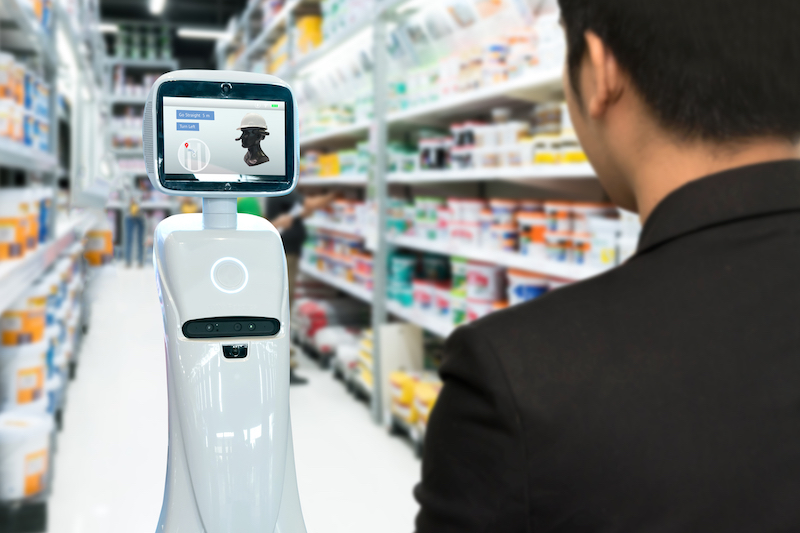
Introduction to Generative AI in Retail
Generative AI solution for retail involves using machine learning models to create new data and insights, driving smarter decision-making and operational efficiencies. In retail, generative AI can be applied in numerous ways, from personalizing customer experiences to optimizing supply chains. As the retail industry becomes more competitive, the adoption of generative AI solutions is essential for staying ahead.
Use Case 1: Personalized Customer Experiences
1.1 Hyper-Personalized Recommendations
Generative AI platforms analyze vast amounts of customer data to provide highly personalized product recommendations. By understanding individual preferences, past behaviors, and real-time interactions, AI-driven recommendations enhance customer satisfaction and increase sales.
Example:
- An online fashion retailer uses generative AI to recommend outfits based on a customer’s browsing history, past purchases, and social media activity, leading to higher engagement and conversion rates.
1.2 Dynamic Content Generation
Generative AI can create personalized marketing content, such as emails, product descriptions, and promotional materials. Tailoring content to individual customers improves engagement and conversion rates, making marketing efforts more effective.
Example:
- A beauty brand uses generative AI to generate personalized emails that include product recommendations, tips, and tutorials based on each customer’s preferences and purchase history.
Use Case 2: Advanced Inventory Management
2.1 Predictive Demand Forecasting
AI models predict future demand by analyzing historical sales data, market trends, and external factors such as weather and holidays. Accurate demand forecasting helps retailers optimize inventory levels, reduce stockouts, and minimize overstock.
Example:
- A grocery chain uses generative AI to forecast demand for perishable items, ensuring that the right quantities are stocked to meet customer needs while minimizing waste.
2.2 Automated Stock Replenishment
Generative AI automates the stock replenishment process by predicting when products need to be reordered. Automation ensures timely restocking, reduces manual errors, and improves operational efficiency.
Example:
- An electronics retailer uses AI to monitor inventory levels and automatically place orders for popular items, preventing stockouts and ensuring product availability.
Use Case 3: Intelligent Pricing Strategies
3.1 Dynamic Pricing
AI adjusts prices in real-time based on factors like demand, competition, and inventory levels. Dynamic pricing maximizes revenue and competitiveness by ensuring prices are optimal for both the retailer and the customer.
Example:
- An online marketplace uses generative AI to adjust prices dynamically during peak shopping periods, such as Black Friday, to maximize sales and profits.
3.2 Personalized Discounts and Offers
AI generates personalized discounts and offers based on customer behavior and preferences. Tailored promotions drive customer loyalty and increase the likelihood of repeat purchases.
Example:
- A home goods retailer uses AI to send personalized discount codes to customers who have shown interest in specific products, encouraging them to complete their purchases.
Use Case 4: Enhanced Customer Support
4.1 AI-Powered Chatbots
AI-driven chatbots provide instant customer support, answering queries and assisting with transactions. Chatbots improve customer service efficiency, reduce wait times, and offer 24/7 support.
Example:
- An online bookstore uses a generative AI chatbot to help customers find books, answer questions about orders, and provide recommendations based on reading preferences.
4.2 Virtual Shopping Assistants
AI-powered virtual assistants guide customers through their shopping journey, offering personalized advice and product recommendations. Virtual assistants enhance the shopping experience, making it more interactive and tailored to individual needs.
Example:
- A furniture retailer uses a virtual shopping assistant to help customers visualize furniture in their homes using augmented reality and provide recommendations based on their style preferences.
Use Case 5: Innovative Marketing Solutions
5.1 AI-Generated Advertising
Generative AI creates compelling ad copy, visuals, and videos tailored to target audiences. Automated ad creation saves time, ensures consistency, and improves the effectiveness of marketing campaigns.
Example:
- A sportswear brand uses AI to generate personalized video ads that showcase products based on each viewer’s interests and past interactions with the brand.
5.2 Customer Segmentation and Targeting
AI segments customers based on behavior, demographics, and preferences to enable precise targeting. Targeted marketing campaigns yield higher engagement and conversion rates by reaching the right audience with relevant messages.
Example:
- A luxury fashion retailer uses generative AI to segment its customer base and deliver targeted marketing campaigns that resonate with different customer segments, such as high-spending VIPs and trend-conscious millennials.
Use Case 6: Enhanced In-Store Experience
6.1 Smart Shelving and Inventory Tracking
AI-powered smart shelves track inventory levels in real-time and alert staff when items need restocking. This ensures products are always available for customers, enhancing the in-store shopping experience.
Example:
- A supermarket uses smart shelves equipped with AI sensors to monitor product availability and alert staff to restock items that are running low, ensuring a seamless shopping experience.
6.2 Interactive Displays and Kiosks
AI-driven interactive displays and kiosks provide product information, recommendations, and personalized promotions. These technologies engage customers, offer a unique shopping experience, and drive sales.
Example:
- An electronics store uses interactive kiosks that allow customers to browse products, read reviews, and receive personalized recommendations, enhancing the in-store shopping experience.
Use Case 7: Operational Efficiency
7.1 Supply Chain Optimization
AI optimizes the supply chain by predicting disruptions, identifying inefficiencies, and suggesting improvements. Enhanced supply chain efficiency reduces costs, improves delivery times, and increases reliability.
Example:
- A fashion retailer uses generative AI to predict potential supply chain disruptions, such as delays in raw material shipments, and make proactive adjustments to minimize impact.
7.2 Workforce Management
Generative AI predicts staffing needs based on factors like foot traffic, sales trends, and promotions. Optimized workforce management ensures adequate staffing levels, improving customer service and operational efficiency.
Example:
- A department store uses AI to forecast busy periods and schedule staff accordingly, ensuring that there are enough employees to handle customer inquiries and manage checkouts efficiently.
Use Case 8: Data-Driven Decision Making
8.1 Advanced Analytics
AI provides advanced analytics and insights by analyzing large datasets from various sources. Data-driven insights inform strategic decisions, helping retailers stay competitive and adapt to market changes.
Example:
- A beauty retailer uses AI to analyze customer feedback, sales data, and market trends, gaining insights that inform product development and marketing strategies.
8.2 Real-Time Monitoring
Generative AI offers real-time monitoring of sales, inventory, and customer behavior. Real-time data enables retailers to respond quickly to changes, optimize operations, and enhance customer experiences.
Example:
- An online retailer uses AI to monitor website traffic, customer interactions, and sales in real-time, allowing them to make immediate adjustments to improve the user experience and boost conversions.
Future Prospects of Generative AI in Retail
1. Continued Innovation
Generative AI will continue to evolve, offering new capabilities and applications in retail. Ongoing research and development will drive innovation, making AI solutions more powerful and accessible.
2. Enhanced Customer Experiences
AI-driven personalization will become even more sophisticated, providing hyper-personalized experiences that anticipate customer needs and preferences.
3. Improved Operational Efficiency
Advancements in AI will further optimize operations, from predictive maintenance in manufacturing to personalized treatment plans in healthcare. Retailers will benefit from greater efficiency and cost savings.
4. Expansion into New Areas
As generative AI platforms prove their value, more aspects of retail will adopt AI solutions. This includes areas such as sustainability, with AI helping retailers minimize waste and optimize resource usage.
5. Ethical AI Development
The focus on ethical AI development will increase, ensuring AI models are transparent, fair, and unbiased. Retailers will prioritize ethical considerations to build trust with customers and stakeholders.
Conclusion: Embracing Generative AI for Retail Success
Generative AI solutions are transforming the retail industry, offering a wide range of benefits from personalized customer experiences to operational efficiencies. By understanding and leveraging these use cases, retailers can stay competitive, innovate, and enhance customer satisfaction.
The key to successful AI implementation lies in understanding the features and benefits of generative AI, investing in the right technologies and skills, and strategically integrating AI solutions into business operations. Embracing generative AI is not just about adopting new technology; it’s about transforming the retail landscape, optimizing operations, and preparing for a future where AI plays a central role in retail success.
By leveraging the potential of generative AI platforms, retailers can unlock new opportunities for innovation, growth, and customer satisfaction, ensuring long-term success in the digital age.


Leave a Reply