In the dynamic realm of manufacturing, technological advancements are driving unprecedented transformations. Among these innovations, enterprise generative AI platforms are poised to revolutionize traditional processes, enhance productivity, and foster innovation. This article explores the evolving landscape and future potentials of gen AI platform for manufacturing.
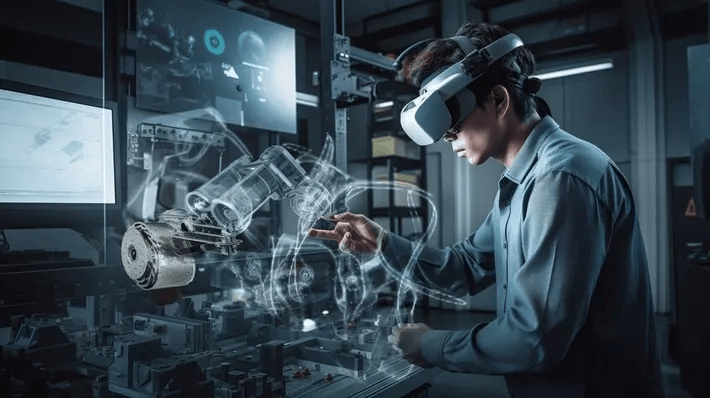
Introduction to Enterprise Generative AI Platforms
Understanding Generative AI in Manufacturing
Generative AI utilizes machine learning algorithms to generate new content, designs, or solutions based on input data and predefined parameters. In manufacturing, gen AI platform for manufacturing analyzes vast datasets to optimize processes, predict outcomes, and automate decision-making across the production lifecycle.
Importance of Generative AI in Modern Manufacturing
Generative AI empowers manufacturers to streamline operations, improve product quality, and innovate at scale. By harnessing AI-driven insights and automation, manufacturers can achieve operational excellence, meet dynamic market demands, and maintain competitiveness in a global landscape.
Current Applications and Trends in Gen AI Platform for Manufacturing
1. Automated Design and Prototyping
Virtual Prototyping Advancements
AI-powered virtual prototyping enables manufacturers to simulate and optimize product designs in a virtual environment, minimizing physical prototyping costs and accelerating time-to-market.
Automated Design Generation
Gen AI Platform for Manufacturing automates design iterations, generating optimized designs based on specified parameters such as material constraints, performance criteria, and production capabilities.
2. Predictive Maintenance and Process Optimization
Enhanced Predictive Maintenance Capabilities
Gen AI Platform for Manufacturing enhances predictive maintenance by analyzing real-time sensor data to forecast equipment failures, optimize maintenance schedules, and minimize downtime.
Process Optimization through AI-driven Insights
AI-driven insights optimize manufacturing processes by identifying inefficiencies, automating workflows, and optimizing resource allocation, enhancing overall operational efficiency.
3. Quality Control and Assurance
Real-Time Quality Monitoring
AI-powered systems monitor production processes in real-time, detecting anomalies and ensuring consistent product quality through automated quality control mechanisms.
Automated Inspection Systems
Generative AI platforms utilize computer vision and machine learning to perform automated inspections, identifying defects with high accuracy and reducing product variability.
4. Supply Chain Management Optimization
AI-driven Demand Forecasting
Generative AI enhances supply chain efficiency by predicting demand trends, optimizing inventory management, and improving supplier relationship management.
Agile Manufacturing and Just-in-Time Production
AI enables adaptive manufacturing processes that respond to real-time demand fluctuations, minimizing inventory costs and enhancing production agility.
Future Directions for Enterprise Generative AI in Manufacturing
1. Advancements in AI-driven Automation
Autonomous Manufacturing Systems
Future AI advancements will enable autonomous manufacturing systems that integrate AI-driven robots and machinery to perform complex tasks independently.
Cognitive Manufacturing
AI platforms will evolve to incorporate cognitive capabilities, enabling machines to learn from experience, adapt to changing conditions, and make autonomous decisions.
2. Personalization and Mass Customization
Hyper-personalized Manufacturing
Generative AI will facilitate hyper-personalized manufacturing processes that tailor products to individual customer preferences, enhancing customer satisfaction and brand loyalty.
Mass Customization at Scale
AI-driven customization capabilities will scale to meet diverse consumer demands without compromising production efficiency, offering customized products cost-effectively.
3. Sustainability and Green Manufacturing
Eco-friendly Manufacturing Practices
AI will drive sustainable manufacturing practices by optimizing energy consumption, reducing waste generation, and promoting the use of eco-friendly materials.
Circular Economy Integration
Generative AI platforms will support circular economy initiatives by facilitating product lifecycle management, recycling optimization, and sustainable supply chain practices.
4. Human-Machine Collaboration and Workforce Empowerment
Augmented Workforce Capabilities
AI will augment human capabilities in manufacturing, empowering workers with AI-driven tools for enhanced decision-making, problem-solving, and creativity.
Skills Development and Training
Manufacturers will invest in workforce skills development to harness AI technologies effectively, bridging the gap between AI capabilities and human expertise.
Challenges and Considerations
1. Data Privacy and Security
Protecting sensitive manufacturing data from cyber threats and ensuring compliance with data protection regulations will remain critical challenges for AI adoption in manufacturing.
2. Integration with Legacy Systems
Integrating generative AI platforms with existing manufacturing systems requires careful planning, interoperability testing, and strategic deployment to maximize AI benefits.
3. Ethical and Societal Implications
Addressing ethical concerns surrounding AI, such as job displacement and algorithmic bias, will require proactive policies, transparency, and stakeholder engagement.
Conclusion
The future of enterprise generative AI platforms in manufacturing is poised for transformative growth, driven by advancements in AI capabilities, automation, and digitalization. By embracing AI-driven technologies, manufacturers can unlock new opportunities for innovation, sustainability, and competitive differentiation in a rapidly evolving global market.
As generative AI continues to evolve, its integration into manufacturing processes will redefine industry standards, empower workforce capabilities, and pave the way for smart, adaptive manufacturing ecosystems. By staying at the forefront of AI innovation, manufacturers can navigate complexities, capitalize on emerging opportunities, and lead the charge towards a more efficient, sustainable future.


Leave a Reply