In the modern era, media consumption has evolved drastically, influenced by technological advancements and changing consumer preferences. Amidst this evolution, Generative Artificial Intelligence (AI) platforms have emerged as powerful tools for media organizations, enabling them to streamline content creation, enhance user engagement, and innovate storytelling techniques. In this comprehensive exploration, we’ll delve into the transformative potential of Generative AI platform for media, examining their applications, benefits, challenges, and future outlook.
Understanding Generative AI Platforms
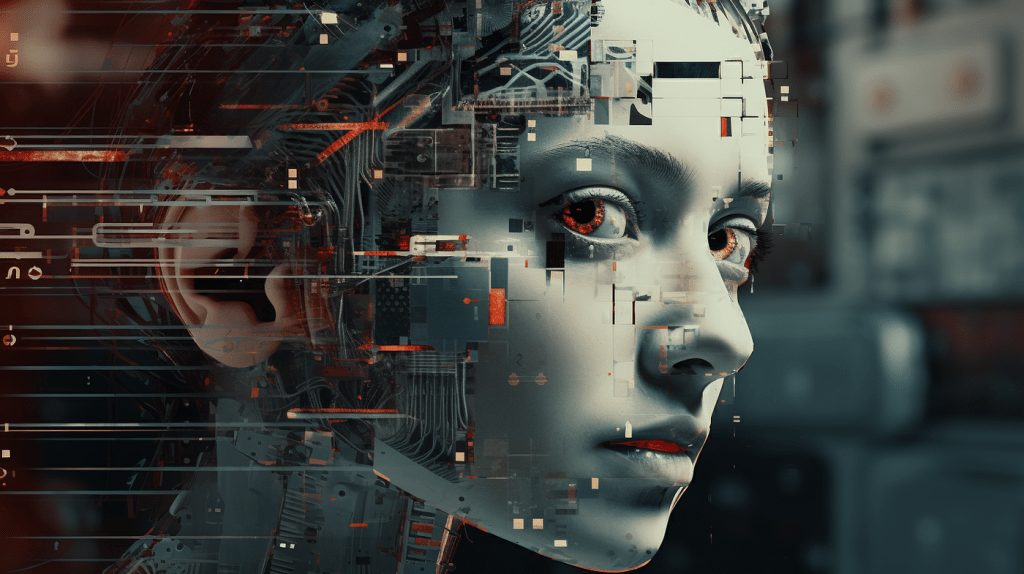
Before delving into the intricacies, let’s establish a foundational understanding of Generative AI platforms. These platforms leverage advanced machine learning algorithms, such as Generative Adversarial Networks (GANs), Variational Autoencoders (VAEs), and Transformers, to generate new content, data, or experiences autonomously. By analyzing vast datasets of existing media content, Generative AI platform for media can produce original outputs that mimic human creativity across various forms of media, including text, images, videos, and audio.
Applications of Generative AI Platforms in Media
Generative AI platform for media offers a wide range of applications in the media industry, revolutionizing content creation, production, distribution, and audience engagement. Here are some key applications:
1. Content Creation and Production
Generative AI platforms streamline content creation and production workflows by automating repetitive tasks and enhancing creativity. They assist in tasks such as writing articles, generating headlines, editing photos, creating videos, and composing music, enabling media organizations to produce high-quality content efficiently and cost-effectively.
2. Personalized Content Recommendations
Generative AI platform for media analyzes user data and behaviors to deliver personalized content recommendations tailored to individual preferences. By leveraging machine learning algorithms, these platforms can predict user interests, recommend relevant articles, videos, or podcasts, and enhance user engagement and satisfaction.
3. Visual Effects and Animation
In the realm of filmmaking, television, and animation, Generative AI platform for media is used to create realistic visual effects, lifelike characters, and immersive environments. These platforms leverage AI algorithms to generate stunning visual effects, motion graphics, and animations that enhance storytelling and captivate audiences.
4. Data Journalism and Storytelling
Generative AI platform for media enables organizations to leverage data-driven storytelling techniques to communicate complex information effectively. By analyzing large datasets and generating interactive visualizations, infographics, and interactive narratives, these platforms help journalists and reporters convey stories in compelling and engaging ways.
5. Audience Engagement and Interaction
Generative AI platforms facilitate interactive experiences that engage audiences and encourage participation. By creating interactive quizzes, polls, and games, media organizations can foster deeper connections with their audience, increase user engagement, and gather valuable feedback and insights.
Benefits of Generative AI Platforms for Media
Generative AI platform for media offers a multitude of benefits that transform the way media organizations create, distribute, and consume content. Here are some key benefits:
1. Enhanced Creativity and Innovation
Generative AI platforms empower media professionals to explore new creative possibilities and push the boundaries of storytelling. By providing tools and frameworks for content generation and exploration, these platforms stimulate artistic expression, inspire innovative storytelling techniques, and foster a culture of creativity and innovation within media organizations.
2. Streamlined Workflows and Efficiency
Generative AI platforms streamline content creation and production workflows, reducing manual labor, and accelerating time-to-market. By automating repetitive tasks such as image editing, video processing, and text summarization, these platforms enhance efficiency and productivity, enabling media organizations to focus on higher-level creative tasks.
3. Personalization and Audience Engagement
Generative AI platforms enable media organizations to deliver personalized content recommendations and interactive experiences that resonate with individual audiences. By analyzing user data and preferences, these platforms can tailor content to specific interests and demographics, increasing user engagement, and retention across various media platforms.
4. Cost-Effectiveness and Scalability
Generative AI platforms offer cost-effective solutions for content creation and production, particularly for media organizations with limited resources. By providing access to AI-powered tools and resources on a pay-as-you-go basis, these platforms enable media organizations to scale their production efforts without incurring significant upfront costs.
5. Data-Driven Insights and Analytics
Generative AI platforms provide media organizations with valuable insights and analytics that inform content strategy and decision-making. By analyzing audience behavior, content performance, and market trends, these platforms help media organizations optimize content production, distribution, and monetization strategies for maximum impact and ROI.
Challenges and Considerations
While Generative AI platforms offer numerous benefits for media organizations, several challenges and considerations must be addressed:
1. Data Privacy and Security
Safeguarding user privacy and data security is paramount when collecting and analyzing user data for personalized content recommendations. Media organizations must implement robust data protection measures and adhere to privacy regulations to ensure user trust and compliance with legal requirements.
2. Ethical and Responsible AI
Ensuring ethical and responsible AI practices is essential to prevent biases, discrimination, and misinformation in AI-generated content. Media organizations must prioritize fairness, transparency, and accountability in content creation and distribution processes to uphold the integrity and credibility of their brands.
3. Quality Control and Verification
Maintaining quality control and verification processes is crucial to ensure the accuracy and reliability of AI-generated content. Media organizations must implement rigorous testing and validation procedures to verify the authenticity and credibility of AI-generated content before publication or distribution.
4. Technical Complexity and Expertise
Implementing Generative AI platforms requires expertise in machine learning, data science, and software engineering. Media organizations must invest in acquiring specialized skills and resources to develop, deploy, and maintain AI models effectively, ensuring successful integration into existing workflows.
5. Regulatory Compliance and Legal Considerations
Navigating regulatory compliance and legal considerations is essential to mitigate the risks of legal challenges and liabilities. Media organizations must stay informed about relevant laws and regulations governing content creation and distribution, seeking legal guidance to ensure compliance with copyright, intellectual property, and licensing requirements.
Future Outlook
The future of Generative AI platforms for media is bright, with continued advancements and innovations driving new opportunities and possibilities. As technology evolves and AI algorithms become more sophisticated, we can expect to see even more groundbreaking applications and use cases in content creation, distribution, and audience engagement.
Conclusion
Generative AI platforms hold immense potential to transform the media industry, offering a wide range of applications that enhance creativity, efficiency, and audience engagement. By leveraging the capabilities of AI algorithms, media organizations can streamline content creation, deliver personalized experiences, and innovate storytelling techniques in unprecedented ways. While challenges and considerations exist, addressing these issues will pave the way for a future where Generative AI platforms revolutionize the way we create, distribute, and consume media content.
 Tech Venture
Leave a comment