In the contemporary landscape of manufacturing, the integration of artificial intelligence (AI) has emerged as a game-changer, offering novel solutions to age-old challenges. Among these innovations, Generative AI solutions stand out, presenting manufacturers with unprecedented opportunities to streamline processes, enhance efficiency, and drive innovation. This article delves into the realm of Generative AI solution for manufacturing, exploring its applications, benefits, and future implications.
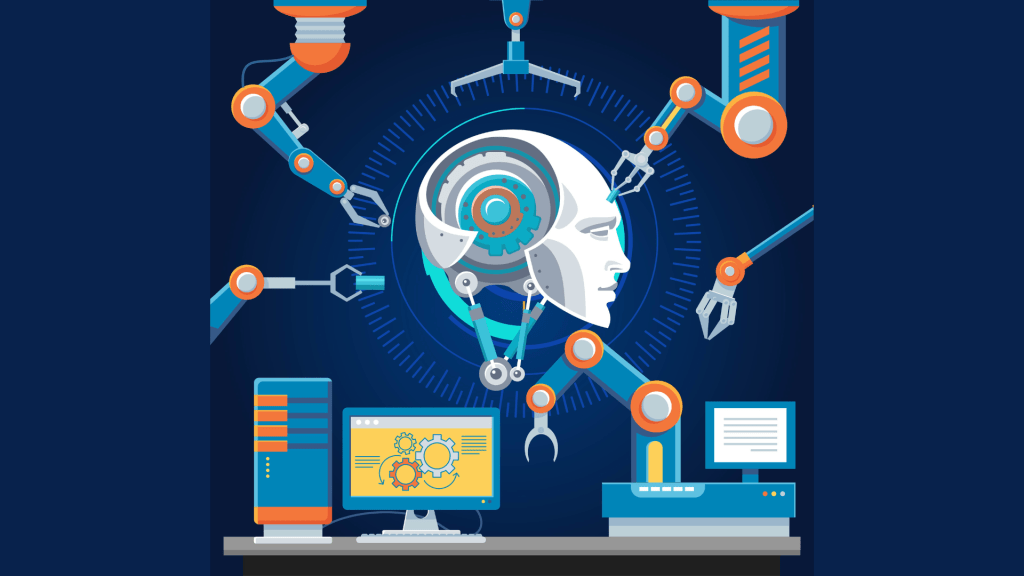
Introduction to Generative AI in Manufacturing
Generative AI represents a subset of artificial intelligence focused on creating new content autonomously. In the manufacturing domain, Generative AI solution for manufacturing leverage advanced algorithms and vast datasets to generate designs, optimize processes, and even develop entirely new solutions without explicit human input. Unlike traditional AI, which primarily deals with pattern recognition and decision-making, Generative AI goes beyond, enabling machines to innovate and create.
Understanding Generative AI Applications in Manufacturing
Generative AI solution for manufacturing find applications across various stages of the manufacturing lifecycle, revolutionizing traditional processes and driving efficiency gains. Here’s a closer look at some key areas where Generative AI is making a significant impact:
Design Optimization
Generative AI transforms the design process by automating exploration and optimization. Algorithms analyze vast datasets, market trends, and performance metrics to generate a plethora of design alternatives meeting specific criteria. This approach expedites the design iteration cycle, unlocks innovative possibilities, and ensures designs are optimized for cost, performance, and manufacturability.
Production Planning and Scheduling
Generative AI optimizes production planning and scheduling by analyzing data on production capacity, demand forecasts, and resource availability. By simulating various scenarios and constraints, algorithms generate optimized production schedules that maximize throughput, minimize idle time, and align with customer demand. This optimization enhances resource utilization and agility in responding to market fluctuations.
Quality Control and Defect Detection
Generative AI enhances quality control by leveraging AI algorithms to analyze production data and identify anomalies indicative of defects or deviations from quality standards. Real-time monitoring, coupled with predictive analytics, enables manufacturers to detect and address quality issues proactively, minimizing scrap, rework, and warranty claims.
Customization and Personalization
Generative AI enables mass customization by generating personalized designs tailored to individual customer preferences. By analyzing customer data and market trends, algorithms produce customized products that resonate with consumers, fostering brand loyalty and differentiation in a competitive market landscape.
Benefits of Generative AI Solution for Manufacturing
The adoption of Generative AI solution for manufacturing yields a plethora of benefits for manufacturers, transforming operations and driving competitive advantage. Here’s a closer look at some key advantages:
Enhanced Efficiency and Productivity
Generative AI streamlines processes and optimizes workflows, leading to increased efficiency and productivity. Automation of repetitive tasks, coupled with data-driven decision-making, reduces cycle times, minimizes waste, and maximizes resource utilization across the manufacturing value chain.
Improved Quality and Consistency
Generative AI enhances quality control by enabling real-time monitoring and predictive analytics, ensuring products meet stringent quality standards consistently. By detecting defects early in the production process, manufacturers minimize rework, reduce warranty claims, and enhance brand reputation for reliability and excellence.
Accelerated Innovation and Design Creativity
Generative AI fosters innovation by automating design exploration and optimization, enabling designers to explore a broader range of possibilities and push the boundaries of creativity. Rapid prototyping and iterative design cycles expedite product development, facilitating faster time-to-market and competitive advantage.
Agility and Adaptability
Generative AI solutions enhance agility by enabling rapid adaptation to changing market conditions and customer preferences. Flexible production schedules and responsive supply chains enable manufacturers to adjust production volumes, product configurations, and delivery schedules in real-time, ensuring alignment with dynamic market demands.
Challenges and Considerations
While Generative AI offers immense potential, its adoption in manufacturing is not without challenges. Manufacturers must navigate ethical considerations, data privacy concerns, and technical complexities associated with implementing AI-powered solutions. Ensuring robust data governance, transparency, and accountability is crucial to building trust and mitigating risks associated with AI adoption.
Future Implications and Emerging Trends
Looking ahead, the future of Generative AI in manufacturing is brimming with possibilities. Emerging technologies such as 3D printing, digital twins, and advanced robotics will complement Generative AI, enabling unprecedented levels of customization, automation, and efficiency. Additionally, advancements in materials science, renewable energy, and sustainable manufacturing will drive innovation towards environmentally friendly and socially responsible practices.
Conclusion
Generative AI solutions hold immense promise for revolutionizing manufacturing, driving efficiency gains, and fostering innovation. By automating design exploration, optimizing production processes, and enhancing quality control, Generative AI enables manufacturers to stay competitive in an increasingly dynamic and complex market landscape. However, realizing the full potential of Generative AI requires a concerted effort to address challenges, foster collaboration, and embrace emerging trends shaping the future of manufacturing. With strategic investments in technology, talent, and infrastructure, manufacturers can harness the power of Generative AI to unlock new opportunities and thrive in the digital age.


Leave a Reply